2026-10-13 ·
How to Extend the Lifespan of Your Household Appliances
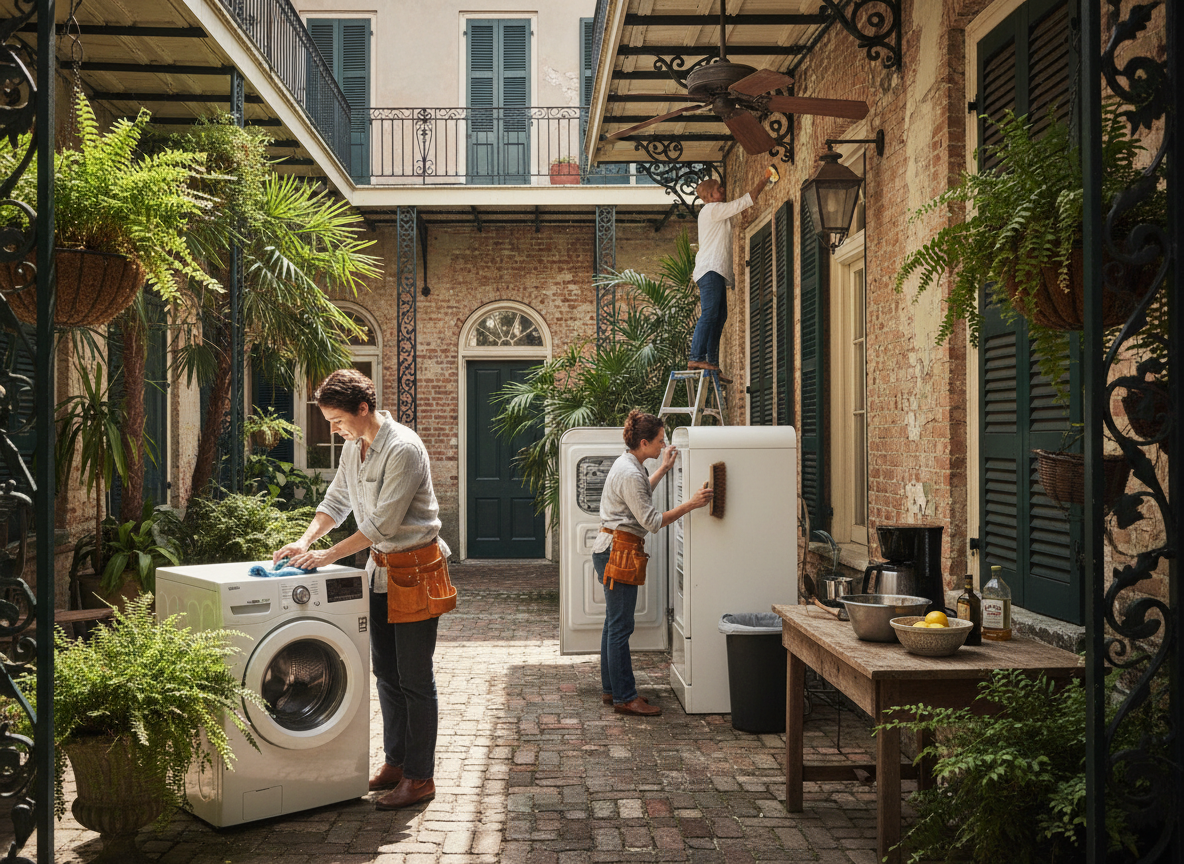
Most household appliances in New Orleans neighborhoods — French Quarter, Uptown, Mid‑City, and others — can last 8–12 years with consistent, weather‑aware care. That range reflects typical housing stock ages (many homes 1950–2010) and the impact of frequent humid summers, occasional heavy rains, and hurricane‑season prep. By focusing on three low‑cost habits — regular cleaning, avoiding overloads, and prompt attention to moisture signs — you can realistically add 4–6 years to the useful life of refrigerators, washing machines, dryers, ovens, and dishwashers. This isn't a guarantee for every unit, but it matches what our technicians see daily: units repaired because seals failed after years of damp exposure, or motors overheating during hot, humid wash cycles. The answer to "how long can my appliances last?" is therefore 8–12 years total, achievable with the steps below.
Clean & Inspect Monthly
In humid subtropical conditions, moisture hides behind seals and under racks. Once a month, pull appliances out (if safe), wipe interior walls with a mild vinegar solution, clean the door gasket with a soft brush, and run the drain hose on low heat for 5 minutes to flush debris. For refrigerators in the French Quarter or Garden District, check the condenser coils — they get dusty fast when AC runs constantly. Remove the coil cover, vacuum with a brush attachment; dirty coils raise energy use and strain the compressor, shortening lifespan. For washing machines in Bywater and Mid‑City apartments, run an empty hot‑water cycle with ½ cup baking soda every 4–6 weeks; this reduces mildew in the drum and door seal. Dryers in Uptown and Treme should have the lint trap cleaned after every load and the outdoor vent cleared of leaves after storms. These monthly checks typically take 10–15 minutes and cost nothing beyond supplies.
- Wipe refrigerator gaskets with a 1:1 water‑vinegar mix; rinse and dry.
- Vacuum condenser coils; aim for at least two passes.
- Run empty hot‑water + baking‑soda cycle for washers every 4–6 weeks.
- Clean lint trap + vent after each dryer use; clear vent of debris after heavy rain or hurricane prep.
Avoid Overloads & Respect Limits
New Orleans housing often includes older units with standard 15‑amp circuits. Overloading — plu
Local Climate Impact Summary
New Orleans’ humid subtropical climate (average summer humidity >70 %, frequent thunderstorms) means appliances work harder. Motors run longer in hot, moist air, increasing wear. Storm surges and heavy rain can cause temporary flooding in low‑lying Algiers and parts of Mid‑City, exposing seals. Older housing (many homes built 1950–2000) often has tighter insulation but older electrical panels that may not handle modern appliance loads. These realities shape what we see on jobs: seal deterioration after a few hurricane seasons, dryer vent blockage from leaf accumulation post‑storm, and refrigerator compressor strain during heatwaves. By cleaning coils, keeping vents clear, and drying promptly after spills, you mitigate the biggest climate‑related stressors. This approach aligns with what our technicians recommend daily and matches the 4–6‑year extension target.